
Coverage Period: 28 February – 4 March 2026
1. Objective
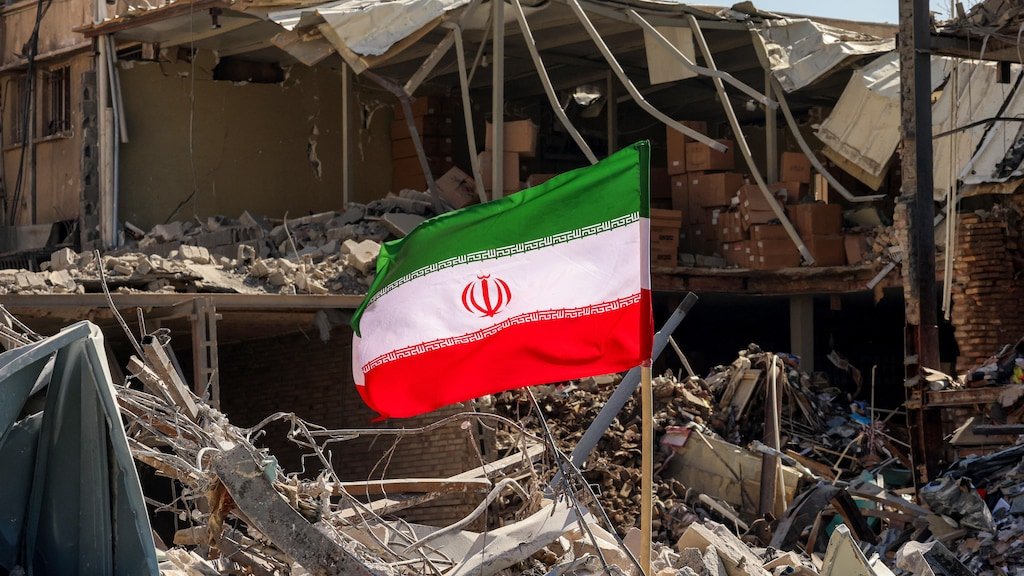
This briefing provides a strategic assessment of the transition from a localized Middle Eastern military confrontation to a systemic Indian Ocean maritime crisis. Following the unprecedented U.S.–Israeli strikes on Iran beginning February 28, 2026, the conflict has rapidly transcended terrestrial borders, threatening the vital energy and trade arteries of the Indian Ocean Region (IOR).
2. Executive Summary
The geopolitical landscape of the Indian Ocean has been fundamentally altered by Operation Epic Fury (U.S.) and Operation Roaring Lion (Israel). What began as a coordinated campaign to decapitate Iranian nuclear and military infrastructure—reportedly resulting in the death of Supreme Leader Ayatollah Ali Khamenei—has triggered a massive asymmetric response.
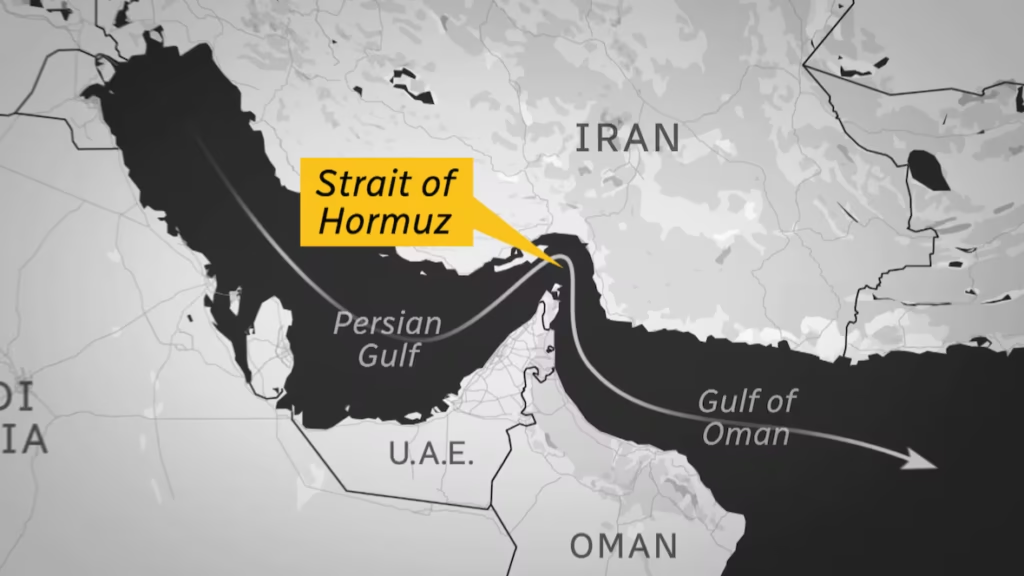
Iran has effectively paralyzed the Strait of Hormuz, driving oil prices toward $100 per barrel and leaving over 150 tankers stranded. With proxy fronts opening in Lebanon and Yemen, and U.S. naval assets actively engaging Iranian vessels in the Arabian Sea, the crisis is no longer a “Middle East” problem. It is now a primary security challenge for the Indian Ocean, threatening the economic stability of Asian powers and the physical safety of the region’s most critical shipping lanes.
3. Background: The Trigger for Total War
The conflict ignited on February 28, 2026, following the collapse of nuclear negotiations in Geneva.
- The Strike: A massive air campaign involving ~2,000 strikes targeted Tehran, Isfahan, and Qom.
- Primary Objectives: Suppression of Integrated Air Defense Systems (IADS), destruction of the IRGC command structure, and neutralizing ballistic missile storage sites.
- The Iranian Response: Tehran immediately launched “Operation True Promise 4,” involving over 500 ballistic missiles and 2,000 drones targeting U.S. bases in Qatar, Kuwait, and the UAE, as well as civilian and military infrastructure in Israel.
4. Escalation Timeline (Feb 28 – Mar 4)
- Phase 1 (Initial Strikes): U.S. and Israel achieve rapid air superiority; Iranian senior leadership is largely incapacitated.
- Phase 2 (Regional Retaliation): Iranian missiles strike Al-Udeid Air Base (Qatar) and the U.S. consulate in Dubai. Gulf states (Bahrain, Jordan, KSA) begin active interception.
- Phase 3 (Proxy Activation): Hezbollah strikes Haifa; Houthi forces in Yemen announce a resumption of Red Sea attacks, effectively squeezing both Western exits of the Indian Ocean.
- Phase 4 (Maritime Crisis): IRGC declares the Strait of Hormuz closed on March 2. On March 3, a U.S. submarine sinks an Iranian warship in the Indian Ocean—the first such torpedo engagement since WWII.
5. Strategic Importance of Maritime Chokepoints
The conflict has weaponized the geography of the IOR:
- Strait of Hormuz: Currently under an “effective” blockade. While not a legal blockade, insurance premiums have surged to 5-10% of cargo value, making transit commercially impossible. This halts 20% of global oil and 25% of LNG flows.
- Bab el-Mandeb: With Houthi involvement, the Red Sea route is again high-risk, forcing vessels to reroute around the Cape of Good Hope, adding 10-14 days to transit times and straining IOR fuel hubs.
6. Military Balance and Escalation Risks
| Actor | Strategic Capability | Current Objective |
| Iran | Asymmetric naval warfare, mines, and “swarm” drones. | Impose maximum economic pain to force a ceasefire. |
| Israel | Precision long-range strike; multi-tier missile defense. | Prevent any Iranian nuclear breakout and degrade IRGC. |
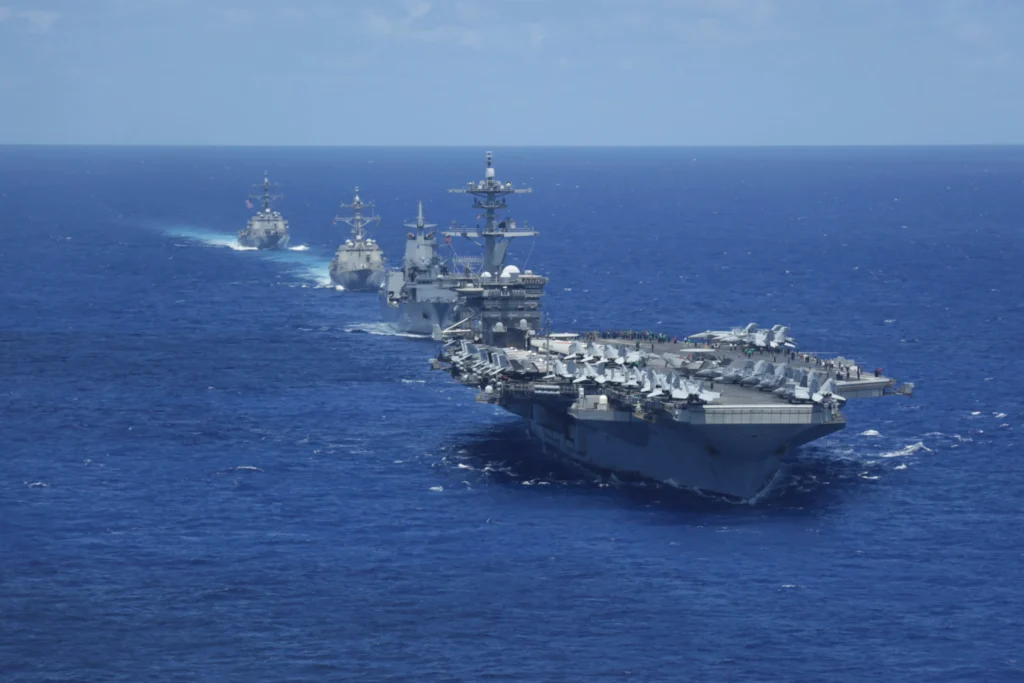
| United States | Massive naval presence (Carrier Strike Groups); air dominance. | Re-open shipping lanes and protect regional allies. |
7. Global Economic and Energy Implications
- Energy Shock: Brent crude has spiked from $67 to over $80 in 96 hours, with analysts predicting $120+ if the Hormuz closure persists.
- Insurance & Shipping: Major firms (Maersk, Hapag-Lloyd) have suspended Gulf transits. The removal of “War Risk” coverage for the Strait of Hormuz has created a logistical vacuum.
8. Emerging Indian Ocean Implications
The “Indian Ocean Watch” perspective highlights four critical shifts:
- Naval Militarization: The Arabian Sea is seeing the highest concentration of naval power in decades. Non-aligned powers (India, China) are facing pressure to deploy assets to protect their specific energy interests.
- Asian Energy Vulnerability: India (importing 2.5M bpd via Hormuz) and China are the most exposed. This crisis may force a permanent shift in how these nations secure their “Western Approaches.”
- Port Logistics: Ports like Salalah (Oman) and Vizhinjam (India) are seeing increased strategic importance as vessels seek “safe harbor” or transshipment points outside the immediate combat zone.
- Systemic Risk: A prolonged conflict transforms the Western Indian Ocean from a trade corridor into a permanent “Hot Zone,” requiring a new regional security architecture.
9. Early Warning Indicators to Monitor
- Mining Operations: Evidence of Iranian sea mines in the Gulf of Oman.
- Third-Party Involvement: Any direct Chinese or Russian naval intervention to “escort” tankers.
- Infrastructure Attacks: Missile strikes on desalination plants or oil terminals in Saudi Arabia/UAE.
- Cyber Warfare: Disruptions to port management software across the IOR.
10. Conclusion
The 2026 Middle East War has effectively bridged the gap between Gulf instability and Indian Ocean security. For the IOR, the “Hormuz Blockade” is a systemic shock that challenges the assumption of “freedom of navigation.” The coming days will determine if the Indian Ocean remains a global commons or becomes a fractured theater of naval confrontation.
Pingback: IRIS Dena Sinking: Naval Clash Escalates Indian Ocean Crisis